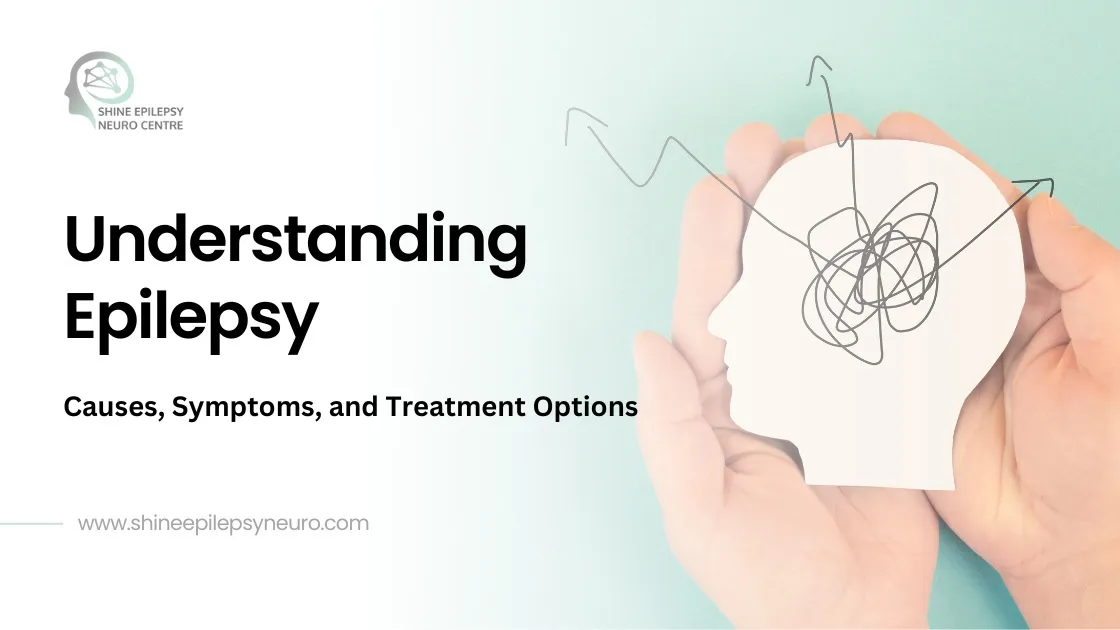
Epilepsy might seem mysterious, but it's a condition that affects millions of people around the world. It's not just about experiencing seizures; it's about understanding what triggers them and how they can vary from person to person.
In this article, we'll dive into what epilepsy is, explore its causes, recognize the symptoms, and discuss the treatment options available. Whether you or someone you know is dealing with epilepsy, gaining knowledge on this condition can empower you to manage it better.
What is Epilepsy?
Epilepsy is a neurological disorder, which means it affects the brain. It's characterized by the tendency to have recurrent seizures. A seizure occurs when there is abnormal electrical activity in the brain, which can affect how a person appears or acts for a short time.
These episodes can vary widely from one person to another, both in how often they happen and how severe they are. People often think a seizure involves dramatic shaking movements, but symptoms can also be subtle, such as brief moments of staring blankly, twitching of limbs, or even temporary confusion.
Understanding these variations is key because it affects how epilepsy is diagnosed and treated. This condition doesn't discriminate and can affect anyone, no matter their age, race, or gender.
Types of Epilepsy Seizures
Epilepsy can cause different types of seizures, and each type affects people in different ways.
Focal Seizures
These start in one part of the brain. Sometimes you might just feel strange for a moment or have a twitch in a part of your body. Other times, these seizures can spread and affect more of the brain, leading to more noticeable symptoms.
Generalized Seizures
These seizures involve the whole brain from the start. There are several types:
- Absence Seizures: Usually happening in children, these look like brief moments where the person seems "out of focus" or just stares blankly for a few seconds.
- Tonic-Clonic Seizures: These are what most people think of when they hear 'seizure.' The person's muscles stiffen and jerk, and they might lose consciousness.
- Atonic Seizures: Also known as 'drop attacks.' Suddenly, the person might fall down because their muscles stop working.
- Myoclonic Seizures: These involve quick, sudden jerks of the muscles.
Causes of Epilepsy
Epilepsy doesn't have one single cause; it's often the result of various factors that affect the brain.
1. Genetic Influences
In certain cases, epilepsy is linked to inherited genetic traits. Certain genes are known to cause epilepsy on their own, while others make a person more susceptible to environmental conditions that can trigger seizures.
2. Brain Conditions
Brain damage from other conditions like stroke, brain tumors, or serious head injuries often leads to epilepsy. These injuries can disrupt the normal electrical activity in the brain.
3. Infectious Diseases
Infections such as meningitis, viral encephalitis, and particularly in India, Tuberculosis and Neurocysticercosis (a parasitic infection of the brain) can cause inflammation and damage to the brain.
4. Brain Stroke
Ischemic or hemorrhagic brain stroke can cause epilepsy.
5. Brain Tumors
Brain tumors are an important cause of epilepsy, especially in elderly patients.
6. Developmental Disorders of Brain
They are an important cause of epilepsy, especially in children.
7. Pre-natal Injury
Damage to the brain during pregnancy or during birth of child can cause epilepsy.
Diagnosis of Epilepsy
If you or someone you know might have epilepsy, getting a clear diagnosis is important.
Medical History Review
First, your doctor will ask about any seizures you've had and your family health history. A history from an eyewitness is very important in diagnosis.
Neurological Examination
This is a check-up that focuses on the brain to see how it's working. Your doctor will look for anything that might explain why you're having seizures.
EEG and Video EEG Test
This is a key step in diagnosing epilepsy. During this test, small sensors are placed on your head to monitor the electrical activity in your brain, while a video records what happens to you during the test. This combination allows doctors to see your physical reactions during a seizure and match them to what's happening in your brain.
Imaging Tests
Epilepsy specialist doctors may also use MRI or CT scans to look inside your brain. These images can show if there's something like a tumor or scar damage that could be causing your seizures.
Treatment Options
Once diagnosed with epilepsy, choosing the right treatment is crucial. The main goal is to control seizures.
Medication
Most people with epilepsy will start treatment with medications called anti-epileptic drugs. These medications help control seizures. There are different kinds available, and appropriate choice will control seizures in around 75-80% of patients completely.
Epilepsy Surgery
If seizures don't get controlled with appropriate medications (about 20% of patients), surgery could be an option. This is usually only considered if a single focus is identified in the brain for seizure origin and if that part can be removed safely.
Dietary Changes
The ketogenic diet, which has lots of fats and very few carbs, is one diet that has helped especially children with drug-resistant epilepsy.
Neurostimulation Devices (Like Vagal Nerve Stimulation)
These are devices that send small electric shocks to the brain to help prevent seizures.
With the proper approach and appropriate investigations, more than 80% of patients are seizure-free with medications, and the remaining 20% can be evaluated for epilepsy surgery.
Conclusion
Managing epilepsy effectively requires not just understanding the condition, but also accessing the right medical support. Accurate diagnosis and tailored treatment plans are crucial for improving life quality for those living with epilepsy.
If you are in Vadodara and looking for an epilepsy specialist, consider reaching out to Dr. Mihir Parekh. Known as one of the best epilepsy specialists in Vadodara, Dr. Mihir has specialized training in managing epilepsy. His expertise ensures that patients receive a comprehensive evaluation and the most effective treatment plans suited to their specific needs.
Remember, you are not alone in this journey. With the right help, epilepsy can be managed effectively.