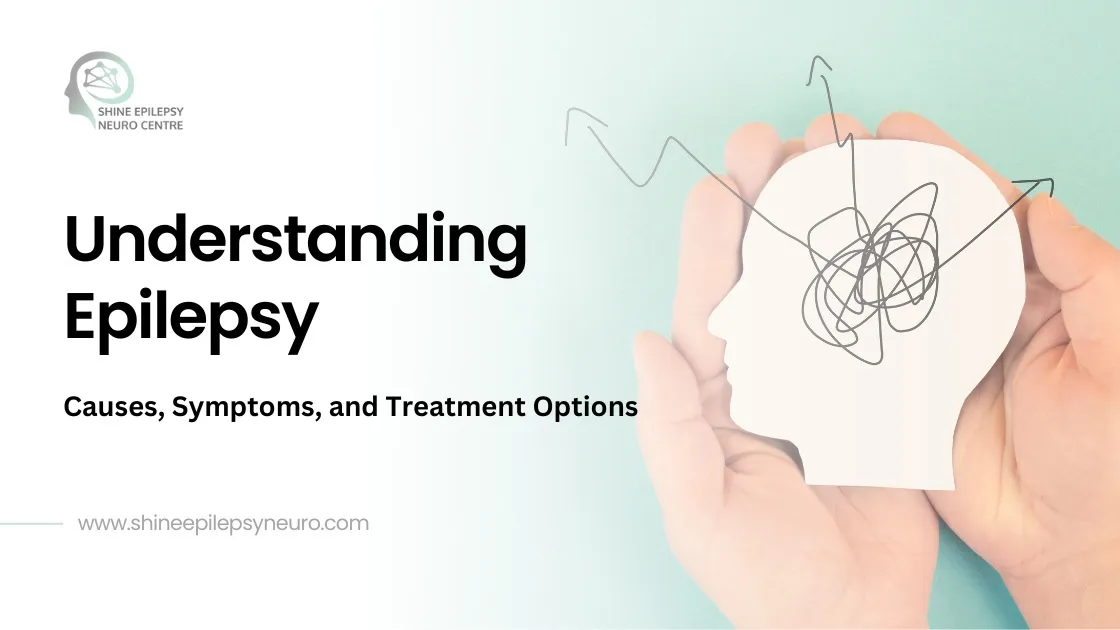
In today's fast-paced world, taking care of your mental health is more important than ever. Our minds are constantly bombarded with information, stress, and distractions, making it easy to feel overwhelmed or mentally drained.
A healthy mind not only allows you to think clearly and make better decisions but also helps you manage stress, maintain emotional balance, and stay productive in your daily life.
Just like your physical health, your mental well-being requires regular care and attention. In this article, we'll explore eight practical tips from Dr. Mihir Parekh, a leading neurologist in Vadodara, that can help keep your mind sharp, reduce stress, and improve your overall mental health.
Sleep is often the first thing we sacrifice when life gets busy, but it's one of the most important factors for mental health. Lack of sleep can leave you feeling irritable, forgetful, and unable to focus.
Tips:
- Aim for 7-9 hours of quality sleep every night
- Keep a consistent sleep schedule, even on weekends
- Create a calming pre-bed routine, like reading or meditating
- Avoid screens at least an hour before bed
- Keep your bedroom cool, dark, and quiet
Staying active isn't just good for your body—it's a mental health booster too. Regular exercise increases blood flow to the brain, releases feel-good chemicals like endorphins, and helps reduce stress.
Tips:
- You don't need to run marathons
- Simple activities like walking, yoga, or dancing can lift your mood
- Just 30 minutes of movement a few times a week can make a big difference
- Find activities you enjoy to stay motivated
Your brain needs the right fuel to function well. A balanced diet full of nutrient-rich foods helps support memory, concentration, and overall brain health.
Brain-Boosting Foods:
- Fruits and vegetables (especially blueberries and spinach)
- Whole grains
- Healthy fats (avocados, nuts, oily fish like salmon)
- Lean proteins
Foods to Limit:
- Processed foods
- Excessive sugar
- Highly refined carbohydrates
Just like your muscles, your brain needs exercise too. Keeping your mind active can help keep your brain sharp as you age.
Activities to Try:
- Reading books or articles
- Solving puzzles or crosswords
- Playing chess or strategic games
- Learning a new language
- Trying new hobbies or recipes
- Taking online courses
Life is full of stressors, and often our minds feel cluttered and overwhelmed. Mindfulness and meditation are powerful tools to help quiet the noise and reduce stress.
Tips:
- Even 5-10 minutes a day of deep breathing can help
- Try guided meditation using apps like Calm or Headspace
- Practice mindful awareness during everyday activities
- Start small and gradually increase your practice time
Benefits:
- Clears your head
- Increases focus
- Boosts emotional resilience
Humans are social creatures, and our mental health thrives on connection. Strong relationships give us a sense of belonging and support.
Tips:
- Have deep conversations with close friends
- Join local groups or clubs
- Even casual chats with neighbors help
- If in-person interaction isn't possible, use video calls or phone calls
- Volunteer for community activities
We all experience stress, but how we manage it makes all the difference. Long-term stress can take a serious toll on your mental and physical health.
Stress Management Techniques:
- Practice deep breathing exercises
- Take regular breaks during work
- Break large tasks into smaller, manageable pieces
- Learn to say "no" sometimes
- Make time for activities you enjoy
- Seek professional help if stress becomes overwhelming
While having a drink now and then is fine, excessive alcohol consumption and smoking can have negative effects on your brain.
Why It Matters:
- Alcohol can disrupt sleep and impair cognitive function
- Smoking can reduce blood flow to the brain, accelerating mental decline
- Both can increase risk of neurological conditions
Tips:
- If you choose to drink, keep it within recommended limits
- If you're looking to quit smoking, seek support from a healthcare professional
Conclusion
Taking care of your mind is just as important as looking after your body, and it doesn't have to be complicated.
Small, daily habits can have a big impact on your mental well-being over time. By getting enough sleep, staying physically active, eating a balanced diet, and keeping your mind engaged, you're giving your brain the best chance to stay sharp and resilient.
Add mindfulness, strong social connections, and effective stress management to the mix, and you'll be better equipped to handle life's challenges with clarity and balance.
Mental health is an ongoing journey. There's no "quick fix," but consistent effort can lead to long-term benefits. Start by adopting one or two of these tips and gradually work the others into your routine.
If you ever feel overwhelmed or notice persistent mental health concerns, don't hesitate to reach out to an expert neurologist for guidance and support.